 Repairs & Maintenance: Elevate PSG

While plaster glass ceilings (fibrous plaster) in older homes are generally known for their potential aging issues, a specific construction method utilizing fibreglass strapping installed over the top of roof rafters or ceiling joists presents a distinct and increasingly concerning failure pathway. As this fibreglass material degrades over time, its ability to support or restrain the plaster glass sheets fixed below the rafters diminishes, leading to sagging, cracking, and in alarming instances, sudden and extensive ceiling collapse.
Understanding the Construction: Plaster Glass with Overhead Fibreglass Strapping
This particular ceiling system involves:
-
Plaster Glass Sheets: These form the visible ceiling surface and are typically fixed directly to the underside of the timber roof rafters or ceiling joists.
-
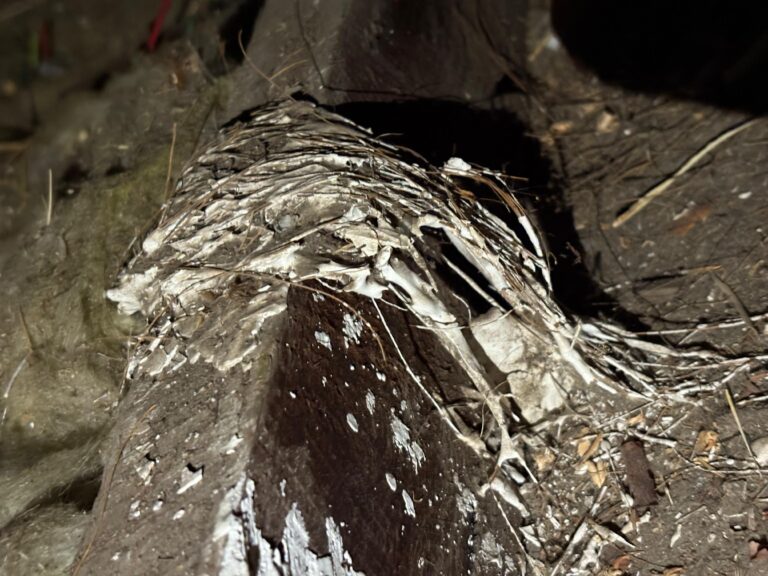
Fibreglass Strapping: Unlike traditional timber or metal battens to which plaster sheets are directly screwed into, this system employs straps made of fibreglass material. These straps are laid over the top surface of the rafters/joists within the roof cavity or attic space.
-
Support Mechanism: The fibreglass straps are often tensioned and secured to the rafters/joists. Their role is to provide an upward counter-force or secondary restraint, helping to support the weight of the plaster glass sheets and resist sagging, particularly over larger spans or between the primary fixings of the plaster to the timber structure.
The Mechanics of Failure: Degradation of Overhead Fibreglass Strapping
The structural integrity of these ceilings is heavily reliant on the long-term performance of this overhead fibreglass strapping. Failure typically occurs due to:
-
Fibreglass Material Degradation:
-
Embrittlement: Over time, the fibreglass material itself can become brittle due to prolonged exposure to temperature fluctuations within the roof cavity, and potentially moisture.
-
Loss of Tensile Strength: The inherent strength of the fibreglass can diminish over time, reducing its capacity to bear the sustained load of the plaster ceiling or resist downward forces.
-
Delamination or Fibre Breakdown: The composite nature of fibreglass can degrade, leading to a weakening of the strap.
-
-
Failure of Strapping Fixings: The points where the fibreglass straps are anchored to the top of the rafters/joists (e.g., staples, clips, or other mechanical fixings) can corrode, loosen, or pull out from the timber as it ages and moves, or as the fibreglass itself becomes less pliable.
-
Primary Plaster Fixing Failure: Concurrently, the original fixings attaching the plaster glass sheets to the underside of the rafters (nails, screws) can also weaken due to plaster degradation around the fixing point (“popping”), timber movement, or corrosion.
-
Combined Failure: As the primary fixings of the plaster to the rafters weaken, more load is transferred to the overhead fibreglass strapping. If this strapping has already degraded, it cannot accommodate the increased load, leading to a cascading failure: the fibreglass straps stretch, snap, or their anchors give way, and the plaster below, now inadequately supported, detaches and collapses.
The Insurance Conundrum: Gradual Deterioration vs. Insured Event
As with other forms of gradual ceiling deterioration, the failure of fibreglass strapping systems over time is typically not covered by standard home insurance policies. Insurers differentiate between sudden, unforeseen events (like storm damage directly impacting the roof and ceiling) and issues arising from:
-
Inherent Material Degradation: The natural aging and breakdown of the fibreglass material.
-
Wear and Tear: The expected decline in performance after many years of service.
-
Original Design or Installation Limitations: If the system was inherently prone to long-term failure.
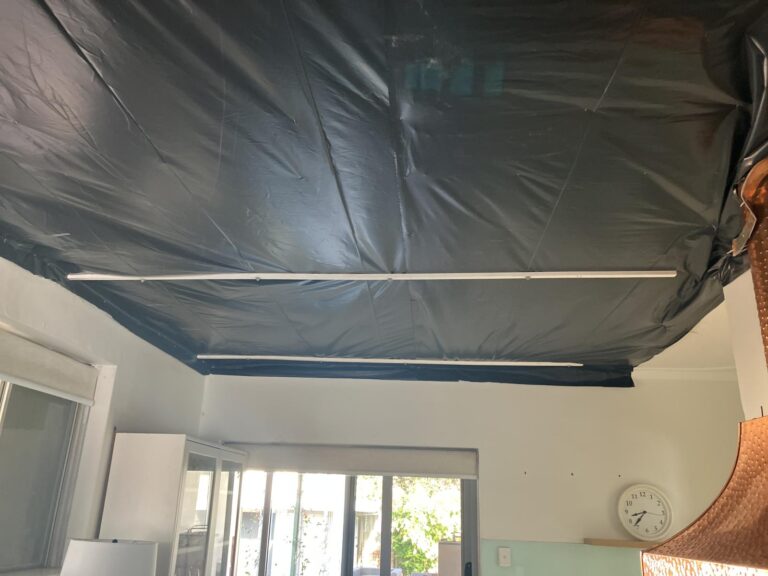
This means homeowners are usually solely responsible for the often considerable costs of repair, potential damage to home contents. You insurer may still assist and ensure the area is made safe. until they can determine the exact causation.
The Significant Risks of Undetected Failure
Ignoring the potential for fibreglass strapping degradation can lead to:
-
Extensive and Costly Repairs: A full ceiling collapse necessitates complete replacement and re-finishing.
-
Damage to Property and Possessions: Falling plaster can severely damage flooring, furniture, and valuable items below.
-
Serious Personal Injury Risk: The sudden collapse of a large ceiling section poses a direct threat to occupants.
-
Higher Emergency Repair Costs: Addressing a collapse reactively is always more expensive than planned, preventative measures.
-
Prolonged Household Disruption: Cleanup and reconstruction can render significant portions of a home unusable for extended periods.
Prevention is Key: Inspection and Proactive Re-supporting
The most effective approach is proactive assessment and intervention:
-
Specialised Ceiling Inspection: It is crucial to engage a qualified ceiling professional or building inspector experienced with this specific type of overhead fibreglass strapping system. The inspection should involve:
-
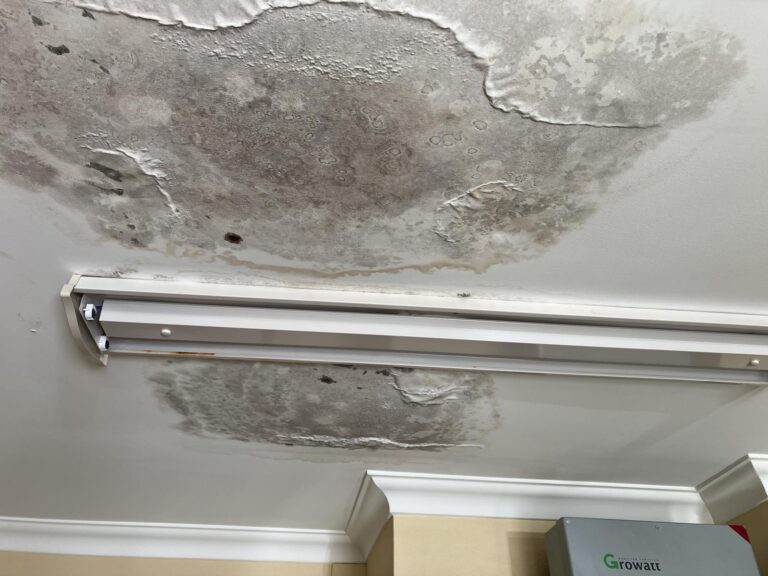
Careful examination of the visible ceiling surface for any signs of sagging, cracking, or stress around fixing points.
-
A thorough inspection within the roof cavity to assess the condition of the fibreglass straps (looking for brittleness, tension loss, breakage, fraying) and the integrity of their anchor points to the rafters/joists.
-
Assessment of the primary fixings of the plaster sheets to the underside of the rafters.
-
-
Preventative Re-supporting or “Restrapping”: If the inspection reveals degradation of the fibreglass strapping or its fixings, or if the primary plaster fixings are failing, preventative action is essential. This may involve:
-
Installing a New, Robust Support System: This could mean fitting new, more durable battens directly to the underside of the rafters and then re-securing the existing plaster sheets (or new sheets if necessary) to these battens.
-
Augmenting or Replacing Overhead Strapping: In some situations, it might be feasible to install new, modern, and more durable overhead strapping systems, properly engineered and fixed to provide reliable long-term support.
-
Direct Re-fixing: Ensuring the plaster sheets are securely and adequately re-fixed to the rafters with modern, appropriate fixings.
-
Addressing these issues before significant detachment or collapse occurs can transform a potential disaster into a manageable maintenance procedure, saving substantial costs and eliminating safety hazards.
Don’t Wait for Warning Signs to Escalate
Even minor signs of distress in a plaster glass ceiling with overhead fibreglass strapping warrant immediate professional attention. An investment in a thorough inspection today can prevent catastrophic failure tomorrow, protecting your home, finances, and the well-being of its occupants.
Call to Action:
If your home was constructed with plaster glass ceilings and you suspect an overhead fibreglass strapping system, or if your ceiling is showing any signs of sagging or cracking, contact a qualified ceiling fixer for an expert assessment. Early detection and intervention are paramount in mitigating this hidden risk.