 Repairs & Maintenance: Elevate PSG

Introduction:
Perth’s climate can swing dramatically. One minute it’s sunshine, the next a severe storm rolls in bringing powerful winds, heavy rain and sometimes hail. Your roof bears the brunt of this onslaught. While some damage is obvious (missing tiles scattered across the lawn), critical vulnerabilities might not be visible from the ground. As a property assessor, I’ve seen how quickly seemingly minor storm damage can lead to catastrophic secondary issues if not addressed immediately. That’s where rapid expert post-storm roof response becomes absolutely vital.
The Escalation Risk: Why Every Minute Counts
A roof breach from a storm is an open invitation for water to enter your property. What happens next can far exceed the cost of the initial damage:
-
Rapid Water Ingress: Even a few missing tiles or a lifted sheet creates an entry point. High winds can drive rain under seemingly intact coverings if underlying layers are compromised.
-
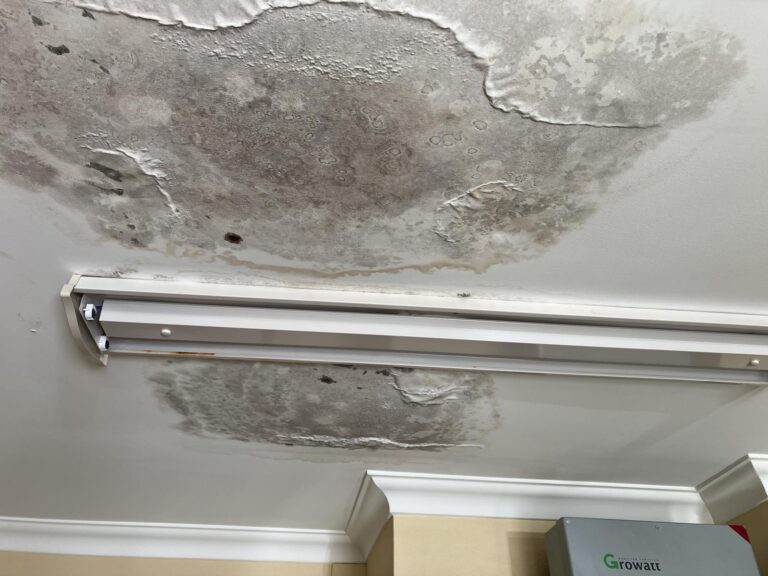
Secondary Damage: Water entering the roof cavity can quickly saturate insulation, soak through ceiling linings (leading to collapse), run down walls, damage flooring, ruin contents, and create dangerous electrical hazards. This secondary damage is often far more extensive and expensive to repair than the initial roof issue.
-
Mould Growth: Damp conditions within the building fabric create a perfect environment for mould, which can develop surprisingly quickly and poses health risks requiring costly remediation.
-
Compromised Safety: Loose roof materials pose a significant safety hazard to anyone near the property during or immediately after the storm.
The Role of Rapid Assessment and Make Safe
This is where experienced rapid response comes in. Our priority after a storm is:
-
Swift Inspection: Get an expert on site quickly to assess the extent of the storm-related damage, identify all points of potential water entry, and evaluate immediate safety risks.
-
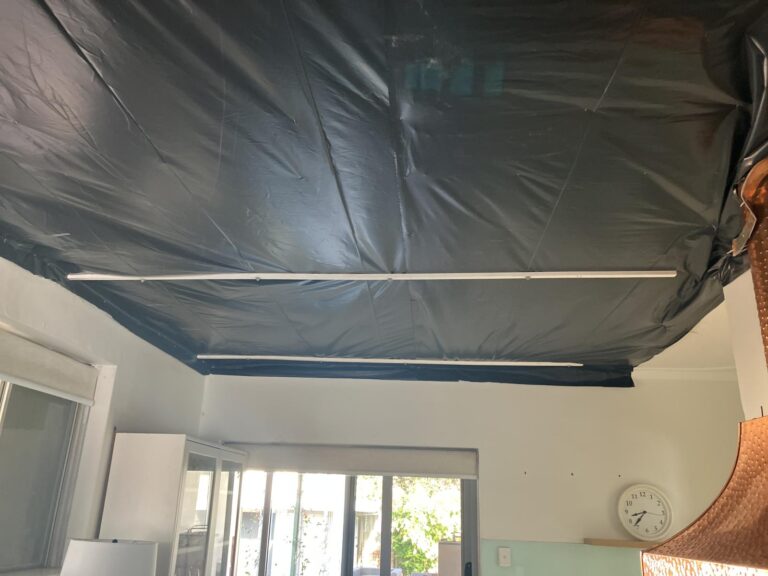
Targeted Make Safe: Implement temporary effective securing measures immediately. This might involve expertly tarping damaged sections of the roof, securing loose materials, or temporarily sealing obvious breaches. The goal is to create a robust temporary barrier against ongoing weather until permanent repairs can be scheduled.
Why Rapid Make Safe Benefits You (and Your Claim):
-
Limits Further Loss: This is the most crucial benefit. By preventing secondary water damage, you dramatically reduce the overall repair costs.
-
Supports Your Insurance Claim: Insurance policies generally require you to take reasonable steps to prevent further loss after damage occurs (your ‘duty to mitigate’ as per the policy). Implementing prompt make safe demonstrates you have met this obligation which can be important during the claim assessment process.
-
Provides Immediate Safety: Addressing loose materials and securing breaches makes the property safer for occupants and the public.
-
Allows for Planned Repairs: Once the property is made safe you have time for a full detailed assessment and to arrange permanent repairs without the pressure of ongoing water ingress.
Don’t underestimate the potential for rapid escalation after storm damage. A fast professional assessment and make safe response is the critical first step in protecting your property and navigating the path towards repair and recovery.